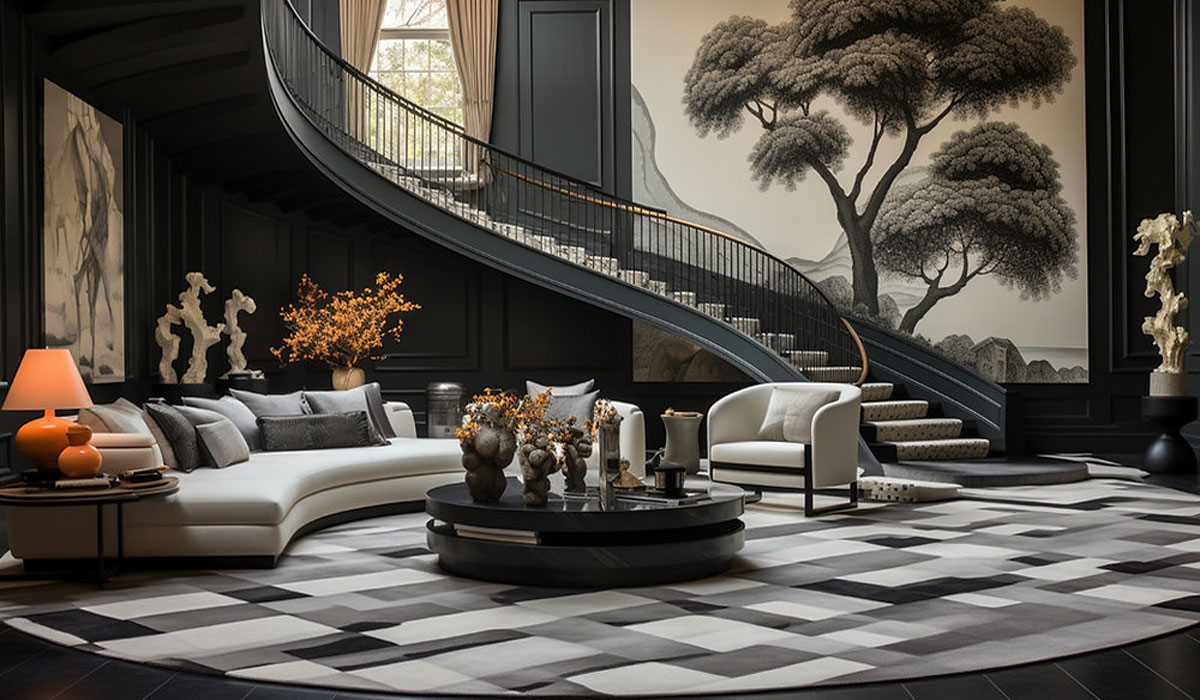
Interior Design Lies That Will Change How You Decorate Forever
Discover shocking interior design lies that professionals hide transform your home with secrets you never knew existed.
Interior design often promises flawless aesthetics, but hidden practices and misleading advice can misguide homeowners. From exaggerated trends to costly tricks, what experts present isn’t always the full story. Uncover the surprising lies behind decorating strategies and learn how to truly elevate your space with insights that challenge conventional wisdom. See and follow the complete information only at The Well-Kept Home.
Misleading Trends That Waste Your Money
Interior design trends are often marketed as must-have elements, yet many are temporary or impractical. Homeowners spend heavily on pieces that quickly fall out of style. Understanding which trends genuinely enhance a space prevents unnecessary expenditure. Awareness allows individuals to invest in timeless design rather than fleeting fads.
Social media amplifies trendy designs, creating pressure to follow visual aesthetics rather than functional needs. Influencers showcase perfect setups that may not suit real-life living spaces. Copying these styles without adaptation can lead to cluttered or awkward arrangements. Critical evaluation helps maintain both beauty and usability in the home.
Design magazines often highlight extreme transformations. Before-and-after photos emphasize drastic changes, making ordinary spaces appear dull. This exaggeration sets unrealistic expectations for homeowners. Learning to balance inspiration with reality ensures satisfaction with achievable improvements.
Some trends prioritize aesthetics over comfort. Sleek furniture or bold color schemes may look stunning but lack practicality. Longevity and daily usability should guide choices. Combining style with functionality creates spaces that remain enjoyable and functional over time.
Hidden Costs Behind Affordable Designs
Many design recommendations claim affordability but conceal additional expenses. Custom furniture, installation fees, or hidden maintenance costs can quickly escalate budgets. Understanding the full financial picture helps homeowners make informed decisions and avoid overspending. DIY projects promoted online can be misleading. While tutorials suggest low costs, materials and tools often increase expenses. Mistakes may require professional correction, adding to costs. Realistic planning prevents budget overruns and disappointment.
Sales promotions and package deals are not always as economical as they seem. Discounts may apply only to selected items or require multiple purchases. Careful comparison and research ensure genuine savings. Interior designers sometimes encourage upgrades or brand-name items unnecessarily. While premium products may offer quality, alternatives often provide similar results at lower costs. Awareness of this tactic helps homeowners choose wisely.
Also Read: Outdoor & Yard Transformations You Won’t Believe Exist!
Color And Space Myths
Color theory is frequently oversimplified, leading to mismatched or overwhelming palettes. Marketing often claims certain hues create moods universally, but individual perception varies. Testing combinations in real conditions ensures satisfaction. Open-plan layouts are not always ideal. While presented as modern and spacious, such designs can reduce privacy and increase noise. Assessing lifestyle needs before structural changes prevents regrets.
Furniture placement guides may oversimplify spatial planning. Recommendations often ignore flow, lighting, or specific room dimensions. Personal adaptation ensures both beauty and function. Lighting advice is another area full of myths. Overemphasis on brightness or decorative fixtures can create discomfort or high energy costs. Prioritizing practicality alongside aesthetics creates balanced spaces.
Misrepresented Materials And Quality
Some materials are marketed as durable or luxurious but may underperform in daily use. Laminates, faux finishes, or low-grade textiles often fail quickly despite promotional claims. Verifying quality before purchase avoids costly replacements. High-end products are sometimes visually indistinguishable from affordable alternatives. Marketing exploits perception, encouraging overspending. Understanding material properties and comparing options ensures better value.
Sustainability claims are often exaggerated. Eco-friendly products may have hidden environmental impacts, such as energy-intensive production. Researching certifications and sourcing practices clarifies genuine sustainability. Maintenance requirements are frequently downplayed. Certain finishes, fabrics, or paints require specialized care. Awareness of upkeep ensures long-term usability and satisfaction.
Image Information Source:
- First Image of www.nawy.com
- Second Image of www.nawy.com