Interior Design Is Not What You Think Here’s The Real Story
People believe achieving a perfect home is simple, but the reality of interior design is far more complex and surprising.
It involves far more than choosing a few stylish pieces or matching colors. Behind every stunning room lies hours of planning, coordination, and decision-making that most people never see. This includes evaluating the flow and functionality of a space and selecting materials that balance durability, aesthetics, and budget. Read more only at The Well-Kept Home.
The Illusion Of Effortless Style
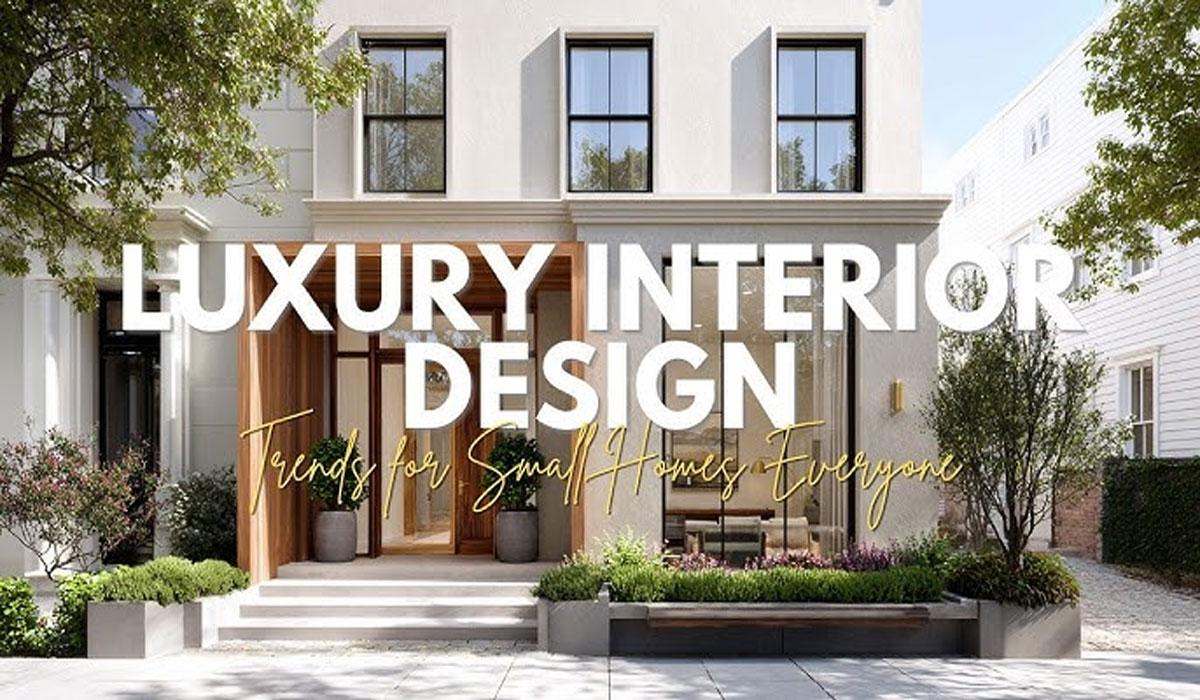
At first glance, beautifully designed interiors appear effortless and inspiring, as if every color, texture, and furniture piece fell perfectly into place. Images on social media, in magazines, and on design blogs often highlight only the most photogenic angles. This creates the impression that achieving a flawless space is simple and quick.
In reality, creating a cohesive interior requires extensive planning, budgeting, and sometimes trial and error. Designers spend hours analyzing layouts, sourcing materials, and coordinating with contractors to bring a vision to life. The polished end result conceals the time, effort, and compromises made behind the scenes.
Moreover, the perception of effortless style can be misleading. Many homeowners feel pressure to replicate what they see online, believing that a few trendy items or minor adjustments will transform their space. In truth, sustainable and functional design involves strategy, personalization, and patience.
The Hidden Influence Of Trends
Interior design is heavily influenced by trends, which can shape the choices of homeowners more than personal taste. From paint colors to furniture styles, the “latest” trends often dominate what people consider stylish or desirable. This can create a homogenized aesthetic that lacks authenticity.
Trends can also be misleading in terms of practicality. Certain color palettes, materials, or layouts may look appealing but fail in daily life, especially for families or high-traffic spaces. Designers must balance aesthetics with function, a nuance often overlooked in glossy images and trend-focused content.
Furthermore, trends are cyclical and sometimes fleeting. Homeowners may invest in what is popular now, only to find that it feels outdated within a few years. Understanding how trends influence perception helps individuals make choices that are both stylish and enduring.
Also Read: Sophisticated Real Estate Hoax, What Experts Are Keeping Secret?
The Reality Behind “Perfect” Spaces
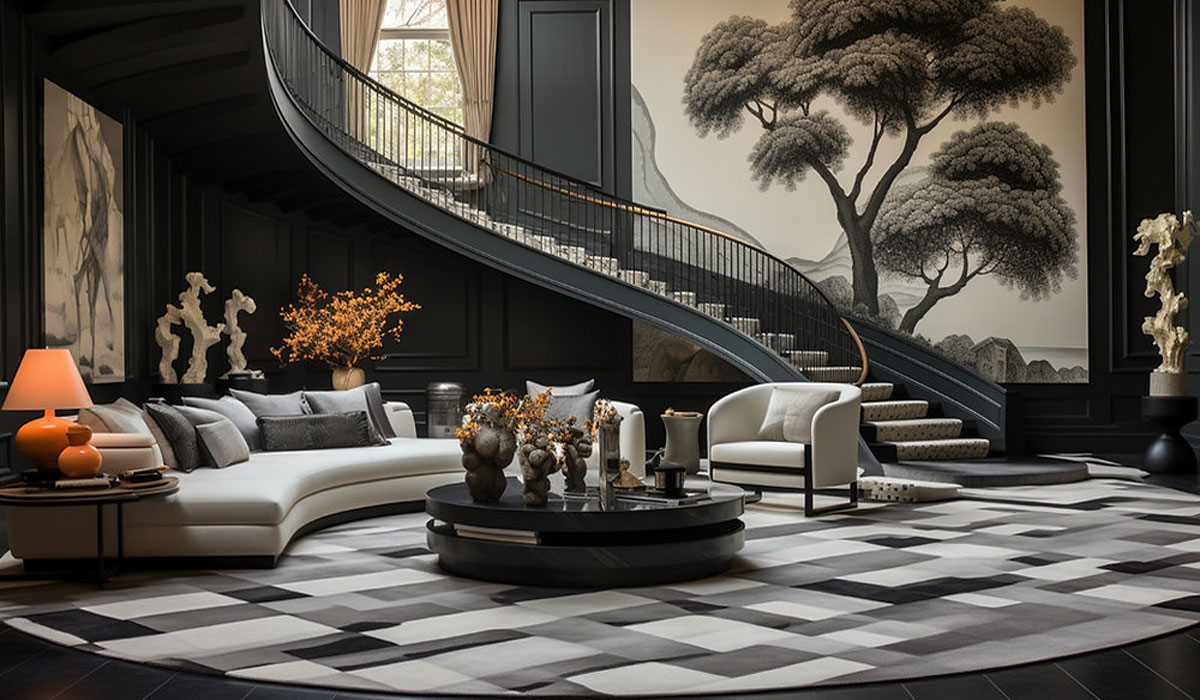
What appears as a perfect interior is often carefully curated for the camera. Photographers, stylists, and designers collaborate to stage rooms with precise lighting, carefully positioned furniture, and props that enhance the visual appeal. These spaces may never function as seamlessly in daily life as they do in photographs.
This staging can mislead homeowners about what is achievable in their own spaces. Items might be temporarily removed or arranged in ways that are impractical for normal living, creating a disconnect between expectation and reality. Recognizing the art of staging allows viewers to appreciate design without feeling inadequate.
Additionally, budget constraints play a significant role in shaping interiors. Many designs seen online are backed by generous resources or sponsorships, giving an impression that similar results are easily attainable. Understanding this hidden aspect helps homeowners approach design with realistic expectations and smarter planning.
Personalization Over Perfection
True interior design is about creating spaces that reflect personality and lifestyle rather than simply following trends or imitating staged photographs. Personalized interiors consider how people live, work, and relax, ensuring comfort and functionality alongside aesthetics.
Incorporating personal elements, such as heirlooms, custom artwork, or meaningful color choices, adds depth and authenticity to a space. This approach creates a home that feels lived-in and welcoming, rather than purely decorative.
Moreover, personalization encourages experimentation and creativity. Homeowners can mix styles, repurpose items, and adapt their space to evolving needs, ensuring their environment remains both practical and inspiring. Prioritizing individual needs over perfection fosters long-term satisfaction and a sense of ownership.
Image Source:
- First Image from m.jpnn.com
- Second Image from jambilink.id