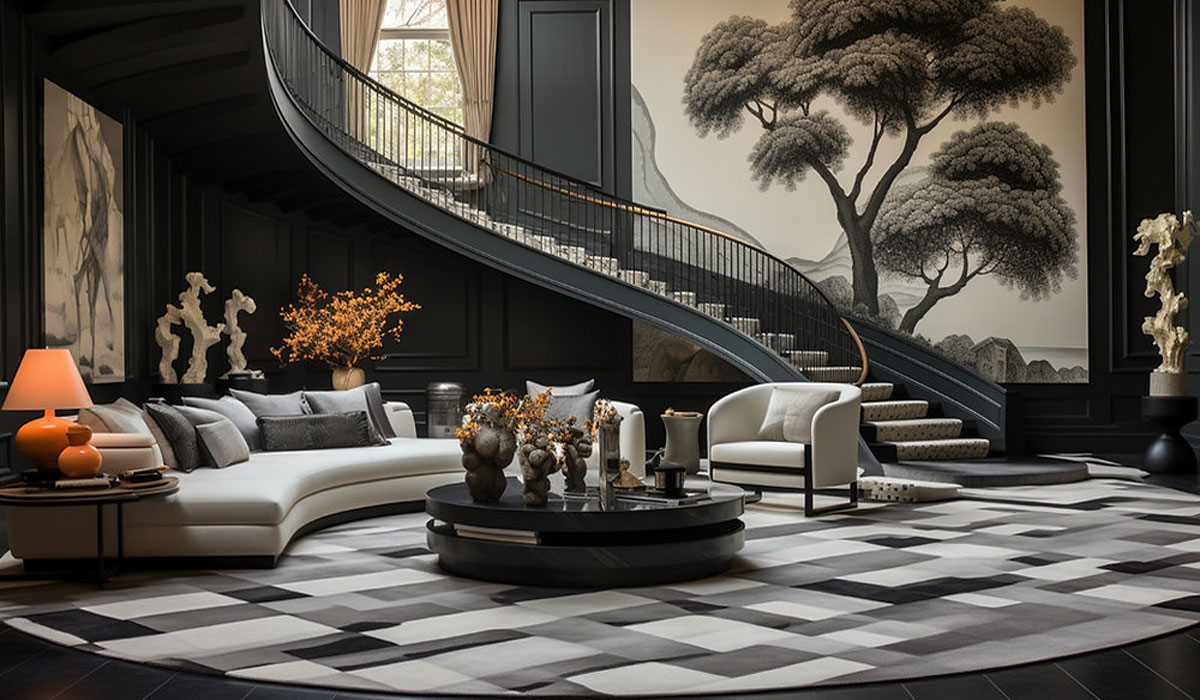
Spaces That Speak: Transforming Homes Through Interior Design
A well-designed space does more than look beautiful; it influences how we feel, think, and interact with our surroundings.
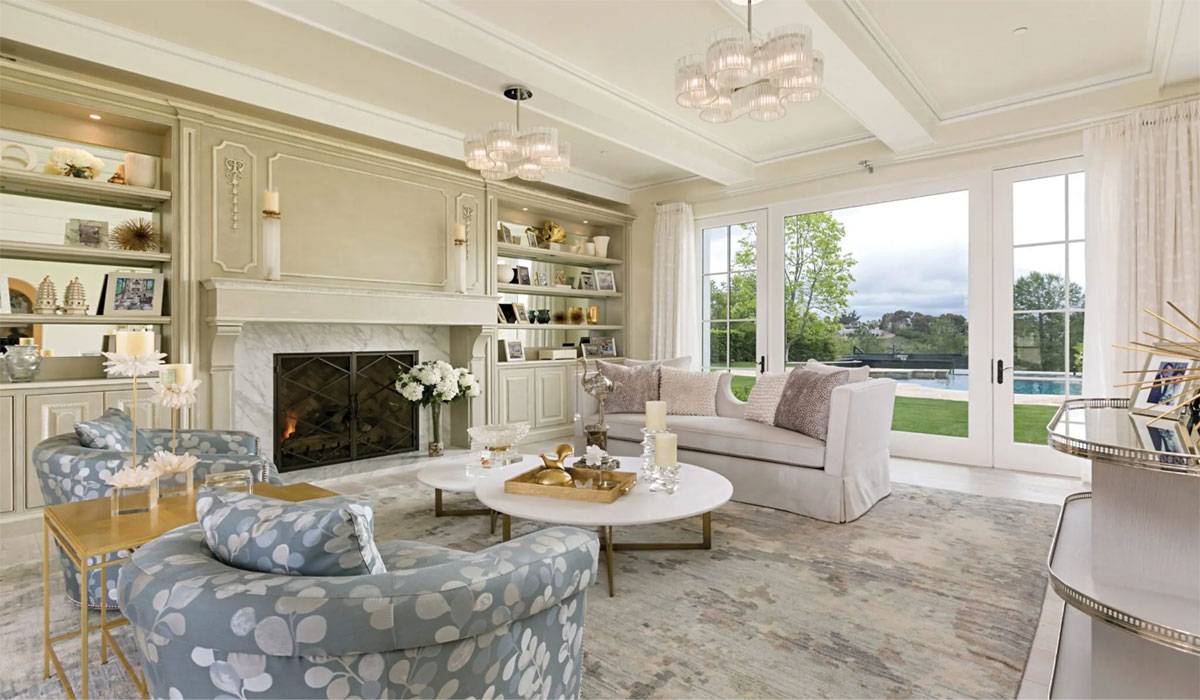
Interior design is the art of creating environments that balance aesthetics, functionality, and personality, turning ordinary rooms into extraordinary experiences. Every detail, from color palettes to furniture placement, contributes to a space that tells a story and enhances daily life.
Whether for homes, offices, or commercial spaces, the principles of interior design guide the transformation from ordinary rooms into extraordinary experiences, The Well-Kept Home helps you achieve a space that’s both beautiful and practical.
The Power of Color and Lighting
Color sets the mood of any room. Warm tones create comfort and intimacy, while cool shades inspire calm and focus. Choosing the right color palette is essential to reflect personality and evoke desired emotions, whether in a living room, bedroom, or workspace.
Lighting plays an equally important role. Natural light enhances openness and energy, while carefully placed artificial lighting creates warmth and depth. Layering lighting through overhead fixtures, lamps, and accent lights allows for versatility and highlights key design elements.
Combining color and lighting thoughtfully transforms spaces. For example, a soft, neutral room with strategic lighting can feel expansive and inviting, while vibrant hues with bright illumination energize social areas. This harmony ensures that interiors are both functional and visually compelling.
Furniture and Space Planning
Furniture defines how we use a room and shapes our interactions. Choosing pieces that balance comfort, style, and practicality is essential for functional interiors. Modular and multifunctional furniture has become especially valuable for modern living, maximizing space without compromising design.
Effective space planning creates flow and usability. Arranging furniture to facilitate movement, conversation, and accessibility enhances comfort and efficiency. Even small adjustments, like angling a sofa toward a focal point or leaving walking paths clear, significantly improve the experience of a space.
Scale and proportion are critical considerations. Oversized furniture can overwhelm a small room, while too-small pieces may feel disconnected in a large space. Thoughtful selection ensures that furniture complements the room’s architecture and serves its intended purpose seamlessly.
Also Read: Spaces Reimagined: Transforming Interiors with Style and Function
Textures, Materials, and Personal Touches
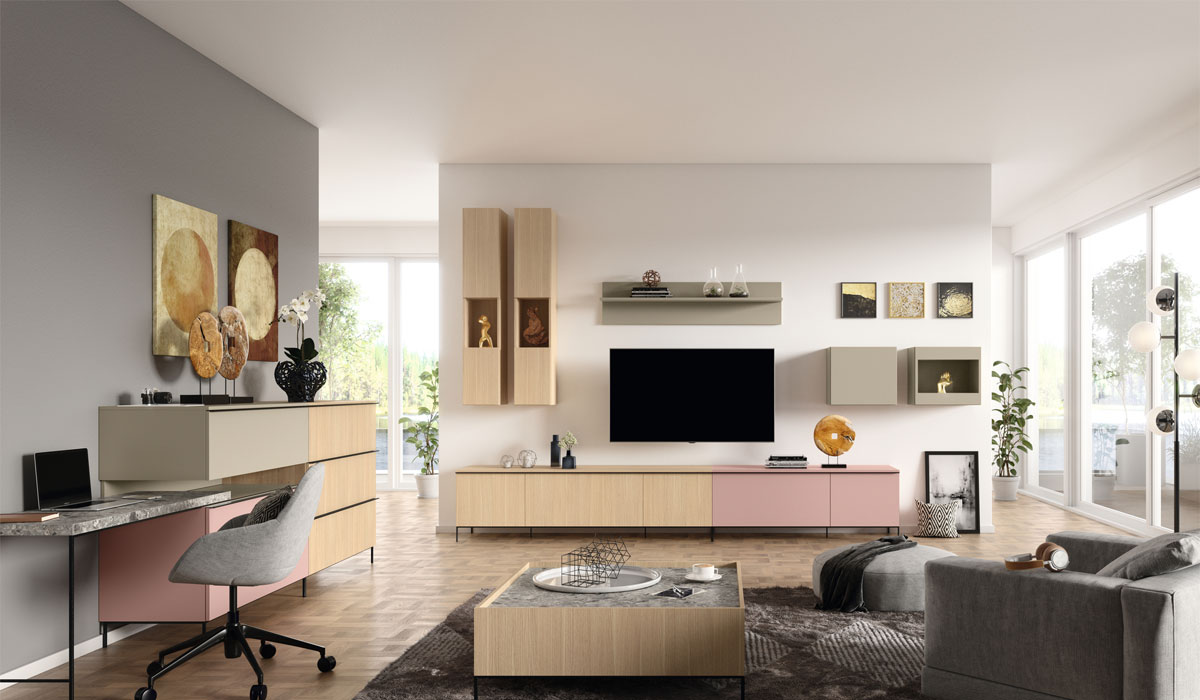
Textures add depth and character to interiors. Combining smooth, rough, soft, and hard surfaces creates visual interest and tactile engagement. From plush rugs to exposed brick walls, texture enriches the sensory experience of a room.
Materials convey style and sustainability. Wood brings warmth, metal adds modernity, glass introduces openness, and sustainable materials highlight environmental consciousness. Choosing quality materials not only enhances durability but also contributes to the overall aesthetic and feel of the space.
Personal touches make interiors unique. Artwork, photographs, and decor items reflect personality and tell stories about the people who live there. Incorporating heirlooms, travel souvenirs, or DIY elements gives spaces individuality and emotional resonance, transforming design from mere decoration into meaningful expression.
Trends and Timeless Design
Keeping up with trends allows interiors to feel fresh and contemporary. Current trends like biophilic design, minimalist aesthetics, and smart home integration enhance functionality and style. Incorporating elements like indoor plants, neutral tones, or integrated technology can modernize a space while maintaining comfort.
Timeless design ensures longevity. Classic furniture shapes, neutral palettes, and simple layouts remain relevant despite changing trends. Combining trendy accents with timeless elements allows homeowners to enjoy both modernity and enduring elegance.
Balancing trends and timeless design requires careful consideration. Overly following trends can lead to outdated spaces quickly, while ignoring innovation may result in a stale interior. The best interiors merge innovation with enduring style, creating spaces that are both current and lasting.
Conclusion
Interior design is the art of transforming spaces into reflections of personality, function, and style. By thoughtfully selecting colors, lighting, furniture, textures, and personal touches, interiors become environments that inspire, comfort, and engage.
Blending current trends with timeless design ensures spaces remain beautiful and practical for years to come. Every detail, from the smallest accent to the largest structural element, contributes to a home that speaks, inviting those who enter to experience its story.