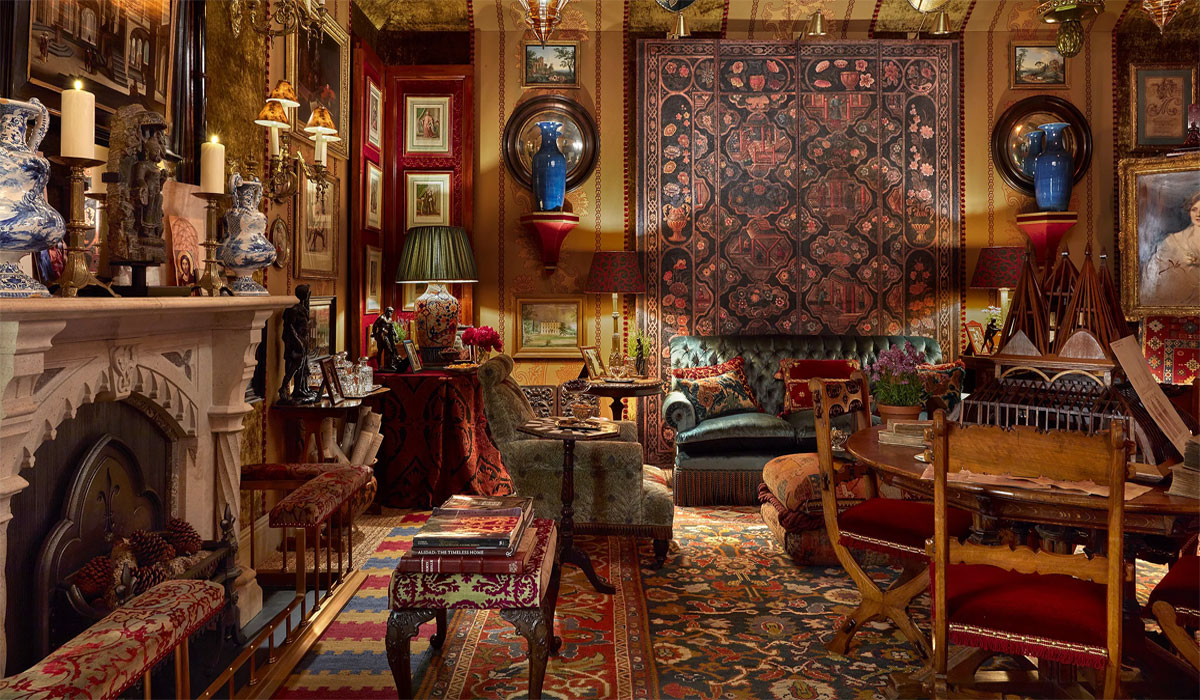
Spaces Reimagined: Transforming Interiors with Style and Function
Interior design is more than just arranging furniture it’s the art and science of creating spaces that are both beautiful and functional.
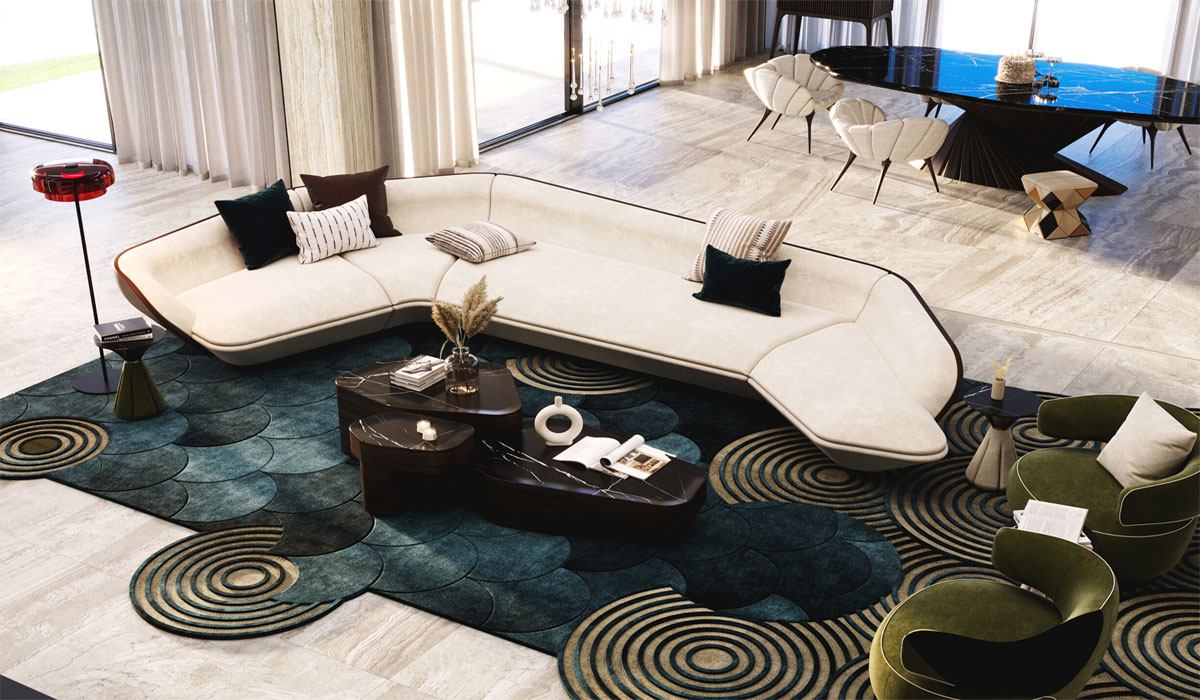
A well-designed interior can enhance mood, increase productivity, and reflect personality, making every space feel uniquely inviting. Whether for homes, offices, or commercial spaces, the principles of interior design guide the transformation from ordinary rooms into extraordinary experiences, The Well-Kept Home helps you achieve a space that’s both beautiful and practical.
Understanding the Core of Interior Design
At the heart of interior design lies the balance between aesthetics and practicality. Designers consider elements such as color, texture, light, and spatial layout to create environments that are visually appealing while serving their intended purpose. Each decision from paint shades to furniture placement impacts the overall feel of a space.
Functionality is a critical factor in design. Spaces must accommodate daily activities, storage needs, and movement patterns without compromising style. A living room, for example, should be comfortable for social gatherings while remaining cohesive with the home’s overall aesthetic.
Equally important is personal expression. Interior design allows homeowners and businesses to convey their identity and brand through thoughtful choices in décor, furniture, and accessories. By combining functionality and style, interiors become reflections of individuality and taste.
Embracing Color, Light, and Texture
Color is one of the most influential tools in interior design. It sets the tone of a space, influences emotions, and can even alter perceived room size. Designers strategically use color palettes to create warmth, calmness, or energy depending on the purpose of the room. Neutral tones provide versatility, while bold colors make striking statements.
Lighting works hand in hand with color to shape the atmosphere. Natural light opens up spaces, enhances mood, and connects interiors with the outdoors. Artificial lighting, from recessed lights to pendant fixtures, adds layers, highlights architectural features, and creates ambiance during evenings.
Texture adds depth and tactile interest. Mixing materials such as wood, metal, fabric, and stone provides contrast and richness, preventing spaces from feeling flat or monotonous. Thoughtful layering of textures enhances comfort and visual intrigue, ensuring that interiors engage multiple senses.
Also Read: Interior Design: The Secret to Making Your Living Space More Comfortable
Functional Furniture and Space Planning
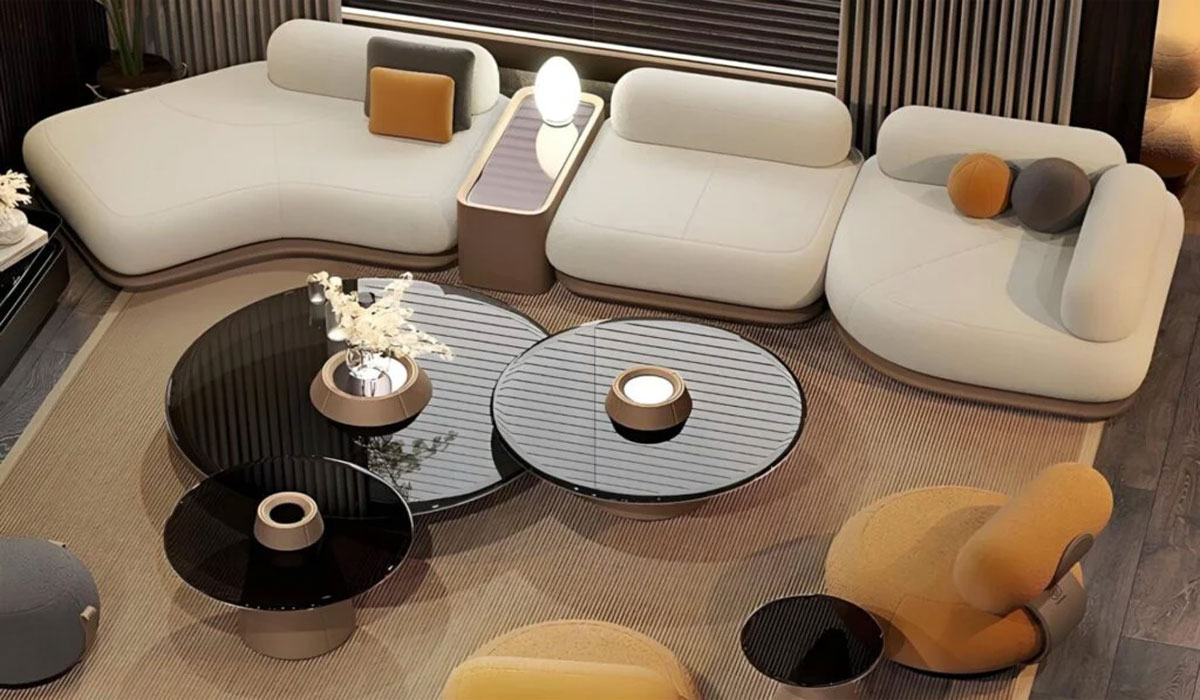
Furniture selection and arrangement are essential in achieving both style and functionality. Ergonomic, multi-purpose, and modular furniture designs allow for flexibility, maximizing small or irregular spaces while maintaining aesthetic appeal. Choosing pieces that complement the overall design enhances cohesion.
Space planning involves thoughtful layout strategies to ensure that rooms feel open, organized, and accessible. Consideration of circulation, focal points, and activity zones helps prevent clutter and confusion. For example, an office may benefit from a clear separation between workstations, lounge areas, and collaborative spaces.
Incorporating storage solutions is also vital. Built-in cabinets, shelves, and hidden compartments maintain organization without compromising design integrity. Clever storage planning allows spaces to remain tidy and functional, even in high-traffic or multi-purpose areas.
Trends in Modern Interior Design
Modern interior design continuously evolves, blending contemporary aesthetics with sustainability and technology. Minimalist designs, clean lines, and open layouts dominate current trends, emphasizing simplicity while maintaining warmth and character. Minimalism encourages clutter-free environments that promote calmness and focus.
Sustainability is another major focus. Eco-friendly materials, energy-efficient lighting, and repurposed furniture reflect a commitment to environmental responsibility without sacrificing style. Green design integrates natural elements, such as plants and reclaimed wood, creating spaces that feel both inviting and conscientious.
Smart home technology enhances modern interiors by improving convenience, security, and energy efficiency. Automated lighting, climate control, and integrated audio systems create a seamless living experience. By blending technology with thoughtful design, interiors can become not only visually striking but also highly functional and responsive.
Conclusion
Transforming interiors with style and function is an intricate blend of creativity, technical skill, and attention to detail. From understanding fundamental design principles to embracing color, texture, and lighting, each element contributes to the overall impact of a space.
Functional furniture, effective space planning, and modern trends like sustainability and technology elevate interiors beyond mere decoration. When approached thoughtfully, interior design creates environments that are visually stunning, highly functional, and deeply personal, turning everyday spaces into meaningful experiences.
Image Source:
- First Image from griyarenov.web.id
- Second Image from m.dekoruma.com