WOW! Stunning Interior Design Ideas That Will Blow Your Mind
Interior design has evolved far beyond simple decoration Today, it is a powerful blend of art, psychology, and functionality.
That shapes how people experience their living spaces. A well-designed interior can influence mood, productivity, and even overall well-being, making it an essential part of modern life.
Before exploring the latest trends and ideas, it is important to understand that interior design is not only about aesthetics. It is about creating harmony between space, light, color, and purpose. Every element inside a room plays a role in shaping how that space feels and functions. See and follow the complete information only at The Well-Kept Home.
The Evolution of Modern Interior Design
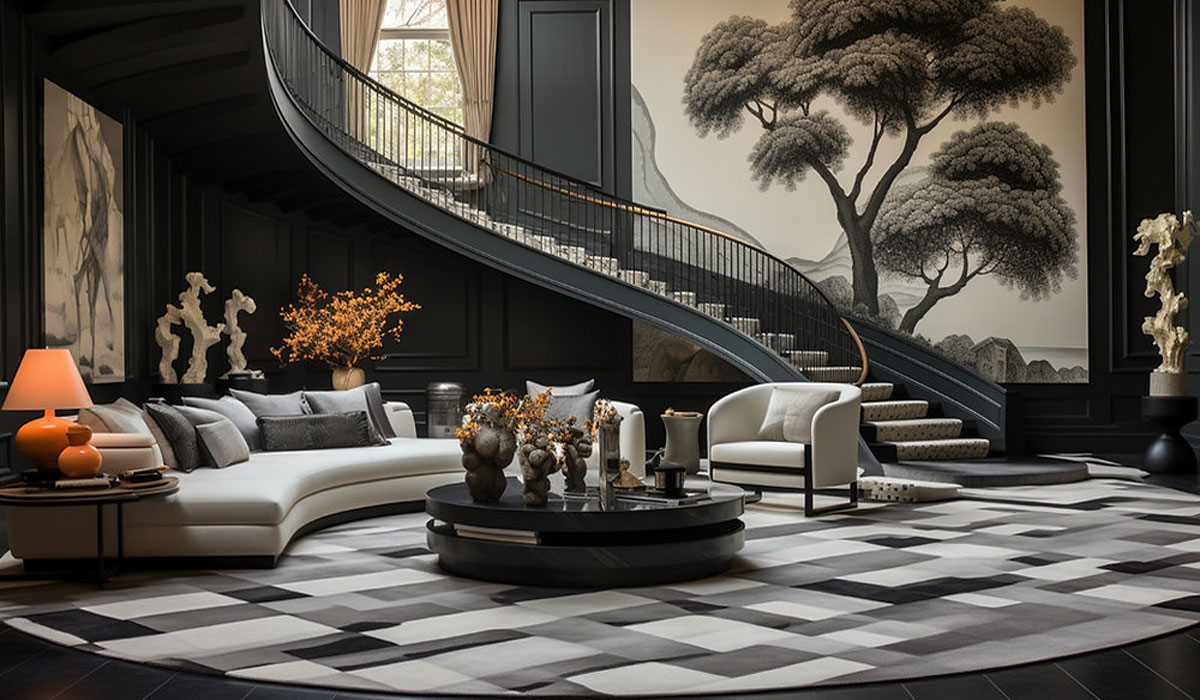
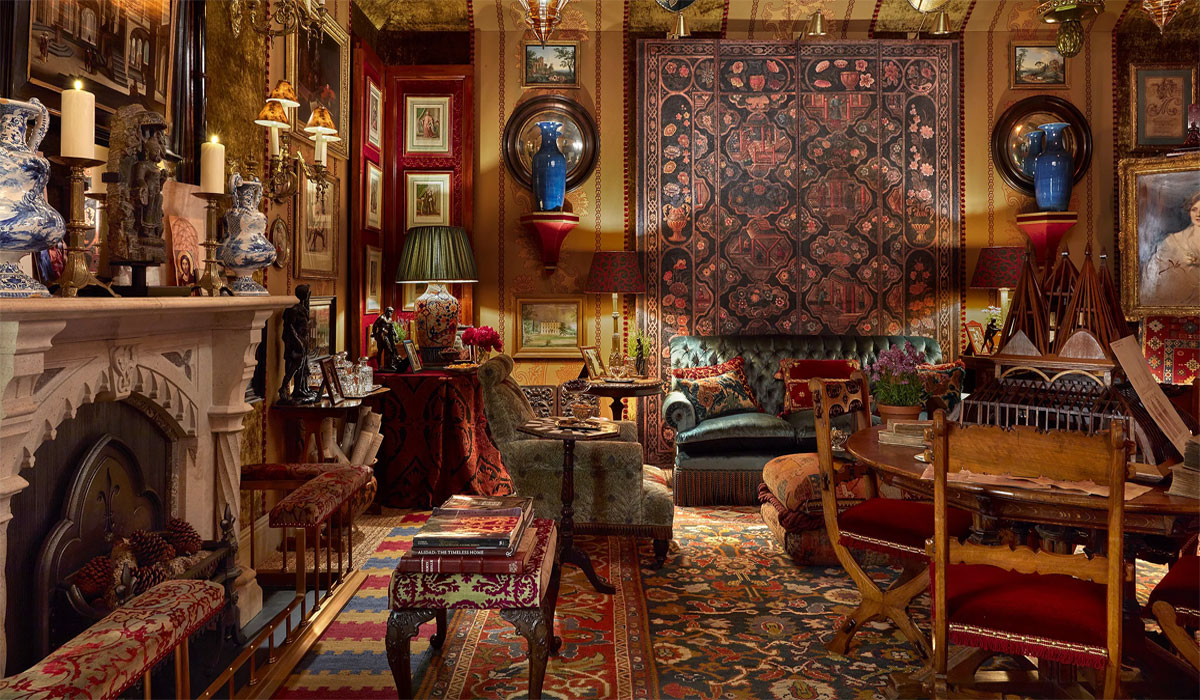
Interior design has gone through significant transformations over the years. In the past, homes were often designed with heavy furniture, dark colors, and highly decorative elements that emphasized luxury and status. However, modern design has shifted toward simplicity and functionality.
One of the most important changes in recent years is the rise of minimalism. This design philosophy focuses on clean lines, open spaces, and the idea that less is more. As a result, many homes today feel more spacious, calm, and organized compared to traditional interiors.
In addition, technology has played a major role in shaping modern interiors. Smart home systems, automated lighting, and integrated entertainment setups have made spaces more efficient and convenient. Consequently, interior design now combines beauty with advanced functionality.
Color Psychology and Its Impact on Spaces
Color is one of the most powerful tools in interior design because it directly affects human emotions. For instance, soft blue tones are often associated with calmness and relaxation, while warm colors like red and orange can create energy and excitement.
Designers carefully choose color palettes based on the purpose of each room. Bedrooms typically use soothing tones to encourage rest, while living rooms may feature more vibrant shades to promote social interaction. This thoughtful approach helps create balanced environments.
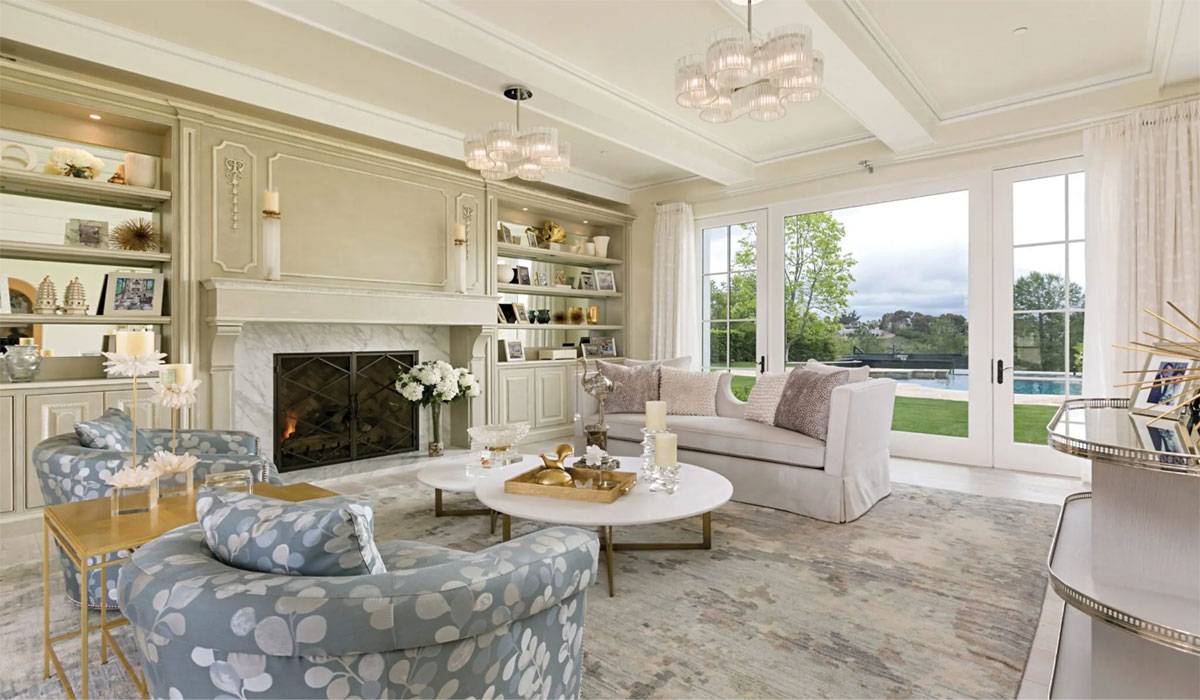
Moreover, neutral colors have become increasingly popular in modern interiors. Shades like beige, gray, and white provide a versatile foundation that allows furniture and decor to stand out. As a result, spaces feel more timeless and adaptable to changing trends.
Also Read: Home Renovation Trends Are on the Rise! Transform Old Homes into Modern Homes
The Role of Furniture and Spatial Planning
Furniture selection is a crucial aspect of interior design because it defines how a space is used. Well-chosen furniture not only enhances aesthetics but also improves comfort and usability. Therefore, designers focus on both style and function.
Spatial planning is equally important in creating effective interiors. Proper layout ensures that movement within a room is smooth and natural. In addition, it helps maximize available space, especially in smaller homes or apartments.
Furthermore, multifunctional furniture has become a major trend in modern design. Items such as sofa beds, extendable tables, and storage-integrated pieces allow homeowners to make the most of limited space. Consequently, interiors become more flexible and practical.
Lighting as a Transformative Design Element
Lighting plays a vital role in shaping the atmosphere of any interior space. Natural light, in particular, is highly valued because it enhances colors and creates a sense of openness. Designers often prioritize large windows and open layouts to maximize daylight.
Artificial lighting, on the other hand, provides control and flexibility. Different types of lighting, such as ambient, task, and accent lighting, are used to create layers within a room. As a result, spaces can be adjusted to suit different moods and activities.
In addition, modern lighting design often incorporates energy-efficient solutions such as LED systems. These not only reduce energy consumption but also offer a wide range of color temperatures. Therefore, lighting has become both a design feature and a sustainable solution.
Conclusion
Interior design is a dynamic field that continues to evolve with changing lifestyles, technologies, and cultural preferences. From minimalist aesthetics and color psychology to smart furniture and advanced lighting, every element contributes to creating meaningful living spaces.
Ultimately, great interior design is about balance. It combines beauty, comfort, and functionality to create environments that enhance everyday life. As trends continue to develop, interior design will remain a powerful tool for shaping how people live, feel, and interact with their surroundings.
Image Source:
- First Image from indochem.co.id
- Second Image from halodoc.com